Most learners treat language as a set of grammar rules and vocabulary lists. But real fluency? It lives in the messy, shifting space between people—how they speak based on who’s listening, where they are, and what power they hold. That gap—the difference between textbook proficiency and true communicative competence—is where social science sociolinguistic language literacy of becomes non-negotiable.
Why Traditional Language Learning Fails the Real World
Language apps promise fluency in 30 days. Universities teach syntax trees like they’re sacred texts. Neither prepares you for the moment your Parisian host switches to rapid-fire verlan slang—or when a job interviewer subtly tests your class alignment through vowel shifts.
Because language isn’t neutral. It’s social armor, tribal signaling, and cultural GPS—all rolled into sound waves. Ignore the sociolinguistic layer, and you’re just memorizing dead code.
social science sociolinguistic language literacy of: A Practical Framework
Forget immersion myths. Real literacy emerges from structured exposure to linguistic variation—not just accents, but register shifts, code-switching triggers, and discourse norms across communities. Here’s how to build it deliberately:
Map Your Target Speech Communities
Identify not just “Spanish” but who speaks it: Mexican Gen Z TikTokers vs. Colombian business executives vs. Andalusian elders. Each has distinct lexical choices, prosody, and pragmatic rules.
Collect Authentic Interaction Data
Ditch scripted dialogues. Mine YouTube vlogs, courtroom transcripts, customer service calls—even WhatsApp voice notes (with permission). Note how speakers adjust tone when authority figures enter the room.
Analyze Power & Identity Markers
Track pronoun use (“tú” vs. “usted”), hedging (“kind of,” “maybe”), or silence patterns. These aren’t errors—they’re strategic moves shaped by race, gender, education, and context.
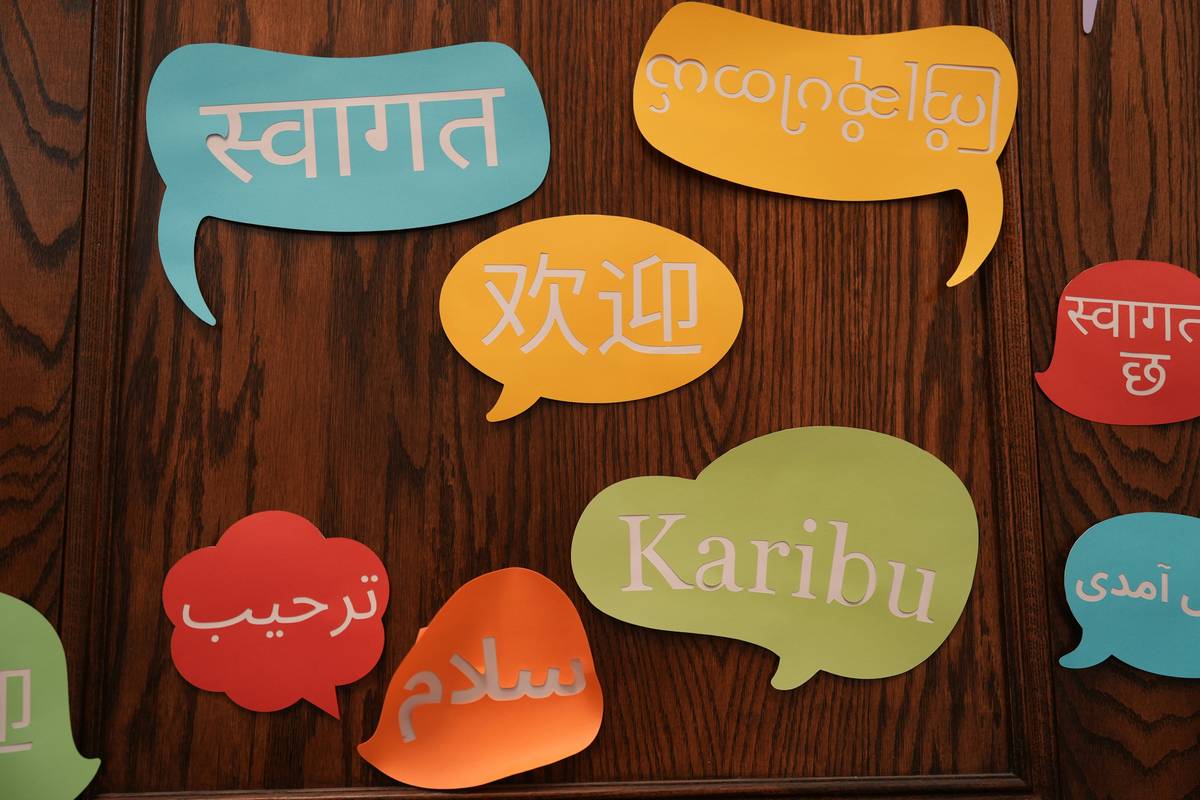
| Learning Method | Sociolinguistic Insight Gained | Time to Practical Fluency* | Risk of Miscommunication |
|---|---|---|---|
| App-Based Drills (e.g., Duolingo) | Near zero—static, decontextualized input | Never (for real-world interaction) | Very High |
| University Grammar Courses | Low—focuses on prescriptive norms | 2–4 years (often still awkward socially) | High |
| Guided Sociolinguistic Fieldwork | Rich awareness of variation, register, identity cues | 6–18 months (context-dependent mastery) | Low |
| Peer-Led Community Immersion | Moderate—but unstructured, may reinforce stereotypes | 1–3 years (hit-or-miss outcomes) | Medium |
*Defined as navigating social expectations without causing offense or confusion

The Industry Secret Nobody Admits
Here’s the uncomfortable truth: most language programs avoid sociolinguistics because it threatens their business model. Apps sell certainty. Textbooks sell standardization. But real language is chaotic—and teaching variation means admitting there’s no single “correct” version. The elite programs—the ones used by diplomats and intelligence analysts—don’t teach language. They teach social decoding. They track not just what’s said, but why that phrase was chosen at that second. That’s the hidden curriculum. And you don’t need a security clearance to access it.
Frequently Asked Questions
What is sociolinguistic language literacy?
It’s the ability to interpret and produce language appropriately across different social contexts—understanding that “ain’t” might be perfect in one setting and career-ending in another.
How does sociolinguistics relate to social science?
Sociolinguistics is a core subfield of social science—it examines how language both shapes and reflects power structures, identity, and group dynamics in real human societies.
Can I develop this without living abroad?
Absolutely. With curated media, discourse analysis exercises, and guided reflection on speaker intent, you can build sharp sociolinguistic radar from your home office—if you know where to look.